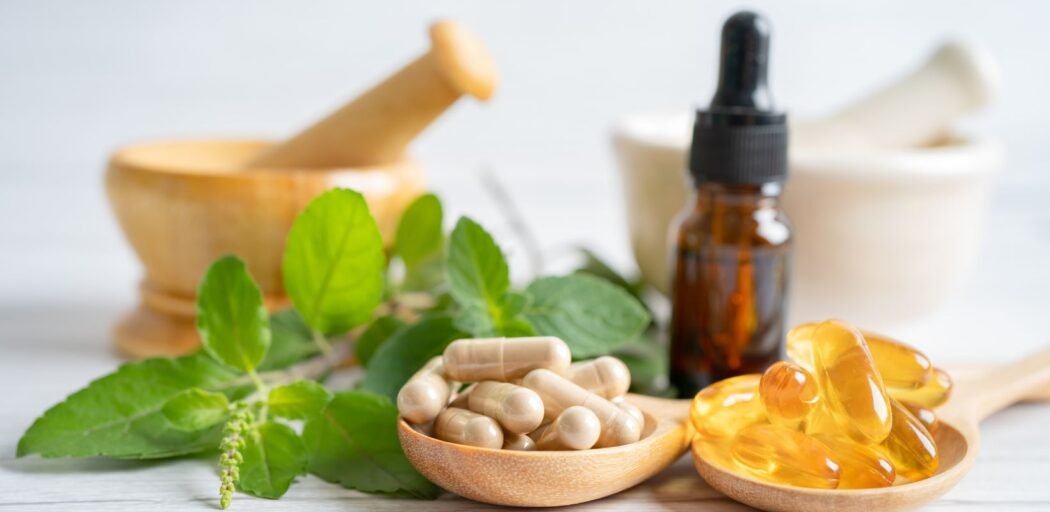
Simple, evidence-based lifestyle foundations and targeted science-backed supports are worth trying, while viral fads and expensive unproven detoxes are usually a waste of money or potentially harmful. The wellness industry constantly introduces new products, routines, supplements, and challenges, making it difficult to separate practical natural remedies from trends driven mainly by marketing.
For people looking for better everyday well-being, the best approach is not to follow every new wellness trend. Instead, focus on habits with a reasonable evidence base, understand what a product can realistically do, and consider safety before adding something new to your routine.
What Is the Difference Between a Natural Remedy and a Wellness Trend?
A natural remedy generally refers to a food, herb, botanical product, traditional practice, or lifestyle approach used to support health or manage everyday concerns.
A wellness trend is broader. It can include anything promoted as improving physical or mental well-being, from meditation apps and cold exposure to detox drinks, supplements, wearable devices, and restrictive diets.
The important distinction is evidence and purpose.
A traditional practice can be useful even if it is not a “trend.” Likewise, a product marketed as natural may have limited evidence behind it.
Before trying something new, ask:
- What exactly is it supposed to do?
- Is there credible evidence supporting the claim?
- Are the benefits realistic?
- Are there known risks or interactions?
- Does it provide something I cannot get through simpler habits?
- Is the cost reasonable?
These questions can help you make better decisions without chasing every popular wellness idea.
Start With the Basics
Before spending money on supplements or specialized wellness products, strengthen the foundations of your routine.
Regular physical activity, adequate sleep, balanced nutrition, hydration, stress management, and meaningful social connection can provide a strong foundation for overall well-being.
These habits may sound less exciting than a new wellness trend, but they are easier to understand and often more sustainable.
For example, if you regularly feel tired, start by looking at your sleep schedule, activity level, diet, hydration, and daily workload before automatically buying an energy supplement.
The simplest solution is often the best place to start.
Herbal Remedies: Potentially Useful, But Not Automatically Safe
Herbal remedies have a long history of traditional use, and some botanical ingredients have been studied for specific health applications.
However, “natural” does not mean risk-free.
Herbal products can vary in:
- Strength
- Purity
- Manufacturing quality
- Active ingredients
- Evidence supporting their use
- Potential interactions with medications
If you are considering an herbal supplement, research the specific ingredient rather than relying on broad claims such as “supports total wellness.”
Also consider your individual circumstances. People who take medications, have existing health conditions, are pregnant or breastfeeding, or are preparing for surgery should seek appropriate professional advice before using certain supplements.
Be Skeptical of Detox Trends
Detox products remain popular because they promise a quick solution to complex health concerns.
Juices, teas, powders, restrictive programs, and supplement combinations may be promoted as ways to “flush toxins” or reset the body.
Be cautious when a product makes dramatic promises without clearly explaining:
- Which toxin it targets
- How the process works
- What evidence supports the claim
- What risks may occur
- How the results are measured
Your body already has systems involved in processing and eliminating waste, including the liver and kidneys. You do not need an expensive detox program simply because it is trending online.
A better “reset” is often returning to regular meals, adequate hydration, sufficient sleep, physical activity, and a balanced routine.
Meditation and Mindfulness Are Worth Exploring
Mindfulness and meditation have become mainstream wellness practices for a reason.
They are relatively accessible, inexpensive, and easy to adapt to different lifestyles.
You can start with a few minutes of focused breathing or mindful attention. You do not need specialized equipment or an expensive subscription.
If meditation feels uncomfortable, try alternatives such as:
- Mindful walking
- Gentle yoga
- Breathing exercises
- Journaling
- Quiet time without screens
The goal is to find a practical relaxation technique that you can use consistently.
Cold Plunges: Trend or Useful Practice?
Cold exposure has gained significant attention through social media and wellness communities.
Some people enjoy cold showers or cold-water immersion and report feeling more alert afterward. However, enthusiasm on social media should not be confused with proof that cold plunges provide broad health benefits for everyone.
Cold exposure can also place stress on the cardiovascular system.
If you have a medical condition or are unsure whether cold-water immersion is appropriate for you, speak with a healthcare professional before trying it.
You do not need a cold plunge to build a healthy lifestyle. Regular movement, outdoor activity, and good sleep remain much simpler starting points.
Be Careful With Restrictive Diet Trends
Wellness trends frequently promote strict diets with claims that one food group, ingredient, or eating schedule is the key to better health.
Some dietary approaches may be appropriate for particular people and goals, but extreme restriction can make it harder to meet nutritional needs and maintain a balanced relationship with food.
Instead of immediately following a viral diet, focus on the quality and variety of your overall eating pattern.
Include a range of nutritious foods and make changes that you can maintain over time.
If you have specific nutritional needs, work with a qualified nutrition or healthcare professional rather than relying entirely on social media advice.
Evaluate Supplements Before You Buy Them
The supplement market can make it difficult to distinguish useful products from unnecessary ones.
Before purchasing a supplement, check:
- The active ingredients
- The amount per serving
- The evidence for the intended use
- Potential medication interactions
- Safety warnings
- Manufacturer information
- Independent quality testing where available
Be particularly cautious when a product promises to solve multiple unrelated problems at once.
Claims such as “detoxes your body,” “boosts everything,” or “works instantly” deserve additional scrutiny.
A supplement should have a clear reason for being part of your routine.
Don’t Confuse Testimonials With Evidence
Personal stories can be persuasive.
Someone may say that a particular tea, supplement, diet, or wellness routine transformed their health. Their experience may be genuine, but one person’s experience cannot establish that a product will work the same way for everyone.
Look for stronger forms of evidence, including:
- Well-designed clinical studies
- Systematic reviews
- Evidence from reputable medical or scientific organizations
- Transparent information about limitations
- Consistent findings across multiple studies
Use testimonials as personal experiences, not as proof of effectiveness.
Watch Out for “One Product Does Everything” Claims
Healthy living is complex, so be skeptical of products that promise extraordinary results from a single ingredient.
Marketing may claim that one supplement can simultaneously improve sleep, energy, digestion, immunity, stress, skin, and weight.
Such broad claims require strong evidence.
Instead, break the claim down.
Ask:
What specific benefit is being promised?
Then investigate whether reliable evidence supports that particular use.
This approach makes wellness decisions much more practical.
Choose Sustainable Habits Over Viral Challenges
A wellness trend can be entertaining, but long-term health usually depends on consistency.
Instead of following a 30-day challenge that requires a dramatic lifestyle change, build habits that fit your normal schedule.
For example:
- Walk regularly
- Maintain a consistent sleep routine
- Eat a varied diet
- Take regular screen breaks
- Practice relaxation techniques
- Spend time outdoors
- Stay socially connected
These habits may not generate as much social media attention, but they can form a more sustainable approach to everyday wellness.
How to Decide Whether a Wellness Trend Is Worth Trying
Before trying a new natural remedy or wellness trend, use a simple five-step check.
1. Identify the Claim
Write down exactly what the product or practice promises to do.
Avoid vague terms such as “balances,” “cleanses,” or “optimizes” until you understand what they actually mean.
2. Check the Evidence
Look for reliable research and information from credible sources.
Do not rely solely on influencer videos, advertisements, or testimonials.
3. Consider the Risk
Ask whether the practice could cause side effects, interact with medications, or create problems for your individual circumstances.
4. Compare the Cost
If a simple lifestyle habit offers a similar practical benefit, consider whether the expensive product is necessary.
5. Test Sustainability
Ask yourself whether you can realistically continue the practice for several months.
A useful wellness habit should fit your life rather than make your life harder.
Natural Does Not Mean Better
The word “natural” can create a perception of safety and superiority, but nature produces many substances that can be harmful.
The important question is not whether something is natural.
The better questions are:
Does it work? Is it safe? Is the quality reliable? And is it appropriate for me?
This mindset allows you to appreciate traditional natural approaches without accepting every natural-health claim uncritically.
When Professional Advice Matters
Natural remedies and wellness practices should complement responsible healthcare, not replace it.
Speak with a qualified healthcare professional when you have persistent, severe, or unexplained symptoms. You should also seek advice before starting supplements if you take prescription medicines, have an existing health condition, are pregnant or breastfeeding, or have other circumstances that could affect safety.
Do not delay necessary medical care because a wellness trend promises a natural solution.
The wellness industry will continue to introduce new trends, but you do not need to try everything that becomes popular.
Start with evidence-based foundations: regular movement, quality sleep, balanced nutrition, stress management, hydration, and healthy social connection. When you consider natural remedies or supplements, investigate the specific ingredient, evaluate the evidence, understand potential risks, and choose reputable products.
At Natural Remedies, a responsible approach to wellness means putting evidence, safety, transparency, and sustainable habits ahead of hype.
The best wellness choice is rarely the trendiest one. It is the approach that provides a realistic benefit, fits your needs, and can become a healthy part of your everyday routine.