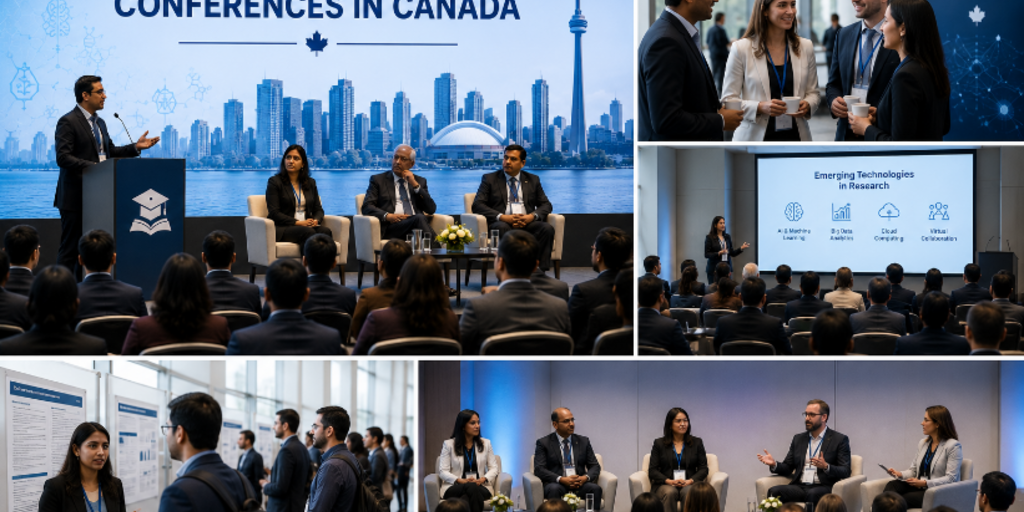
Academic conferences in Canada have long played an essential role in advancing research, education, innovation, and collaboration among scholars, educators, and industry professionals. Over the years, conferences in Canada have evolved from traditional in-person gatherings into dynamic, technology-driven platforms that incorporate digital tools, hybrid formats, and global participation. With its strong research ecosystem and commitment to innovation, Canada continues to gain recognition as a leading destination for academic exchange and knowledge sharing. The future of academic conferences will be shaped by digital transformation, sustainability, international partnerships, and innovative approaches that enhance research collaboration worldwide.
The Evolution of Academic Conferences in Canada
Academic conferences in Canada have undergone significant transformation, shifting from traditional in-person gatherings to flexible digital-first and hybrid models. Over the past decade, technological advancements and global challenges have reshaped how researchers, students, and institutions connect and collaborate. Virtual and hybrid conference formats now provide greater accessibility, reduce travel limitations, and create new opportunities for international participation. Canadian institutions are adapting to these evolving expectations by embracing innovative approaches that support wider knowledge sharing, cross-border collaboration, and inclusive academic engagement.
Technology Transforming Academic Conferences
Technology is revolutionizing academic conferences by enhancing planning, participation, and research engagement. Artificial Intelligence (AI) is streamlining conference management through automated abstract evaluation, personalized recommendations, scheduling support, and improved networking opportunities. Emerging technologies like Virtual Reality (VR) and Augmented Reality (AR) are creating immersive presentation experiences and interactive research environments for remote audiences. Advanced digital platforms now enable live streaming, virtual posters, interactive discussions, and data-driven insights, helping organizers design smarter, more accessible, and impactful academic events for the future.
The Growth of Hybrid Academic Conferences in Canada
Hybrid academic conferences are becoming a leading model in Canada by combining the benefits of physical and virtual participation. This approach enables conferences to connect with wider global audiences while offering flexible options for researchers, students, and academic communities. Hybrid formats increase international participation, reduce costs, and improve accessibility for diverse attendees. However, challenges such as online engagement, equal networking opportunities, cybersecurity, and digital privacy must be addressed through effective planning, advanced technology, and inclusive conference strategies.
Strengthening Research Collaboration Through Canadian Conferences
Canadian conferences play a vital role in strengthening research collaboration by connecting scholars, institutions, and industry experts from around the world. These academic events create opportunities for global networking, knowledge exchange, and interdisciplinary partnerships across diverse fields. By bringing together universities, research organizations, government bodies, and industry leaders, conferences encourage innovation and collective problem-solving. Meaningful interactions often lead to joint research projects, academic publications, international funding opportunities, and long-term collaborations that advance scientific discovery and global research impact.
Innovation and Emerging Research Trends at Canadian Conferences
Canadian conferences serve as important platforms for showcasing cutting-edge research, emerging technologies, and innovative solutions across multiple disciplines. These events highlight advancements in areas such as artificial intelligence, climate solutions, healthcare innovation, sustainable development, and digital transformation. Through knowledge exchange, expert discussions, workshops, and research panels, conferences inspire new ideas and encourage collaboration among researchers, institutions, and industry professionals. By bringing diverse perspectives together, Canadian academic events continue to drive innovation, support discovery, and shape the future of global research.
Sustainability and the Future of Conference Management
Sustainability is becoming a key priority in the future of conference management, with Canadian academic events adopting greener practices to reduce environmental impact. Digital materials, reduced paper consumption, eco-friendly venues, and carbon-conscious travel planning are helping create more responsible conference models. Technology also enables global participation through virtual and hybrid formats while minimizing travel-related emissions. By balancing international collaboration with environmental responsibility, future academic conferences can promote knowledge exchange while supporting sustainable development and long-term ecological goals.
Enhancing Inclusivity and Accessibility in Academic Conferences
Academic conferences are becoming more inclusive by creating opportunities for broader participation from international researchers, students, underrepresented communities, and remote attendees. Technology plays a crucial role in improving accessibility through features such as live captions, translation tools, and online participation options. These innovations help remove barriers and support equal engagement among diverse academic communities. By encouraging inclusive discussions and embracing global perspectives, modern conferences in Canada are fostering collaborative environments where different ideas, experiences, and research contributions can thrive.
The Role of Canadian Universities in Future Conferences
Canadian universities play a central role in shaping the future of academic conferences by serving as hubs for research, innovation, and global collaboration. Through partnerships with international institutions and industry leaders, universities create opportunities for knowledge sharing and advanced research development. Conferences provide valuable platforms for students and researchers to build careers, receive mentorship, explore publishing opportunities, and expand academic networks. By supporting diverse events and collaborative initiatives, Canadian universities continue to strengthen the future of research and academic exchange.
What the Future Holds: Predictions for Canadian Academic Conferences?
The future of Canadian academic conferences will be shaped by advanced technologies, global connectivity, and continuous research engagement. Emerging trends such as AI-driven conference experiences, immersive virtual research spaces, and personalized participation models will transform how scholars connect and collaborate. Academic events are expected to evolve beyond one-time gatherings into year-round research communities that encourage ongoing knowledge exchange. By integrating technology, innovation, and collaboration, the next generation of conferences will create more dynamic, inclusive, and globally connected academic environments.
Canada is positioned to play a significant role in shaping the future of global academic collaboration through innovation, technology, and inclusive research practices. Advancements in digital platforms, artificial intelligence, and hybrid conference models are redefining how knowledge is shared and how researchers connect worldwide. Future academic conferences will prioritize accessibility, sustainability, and meaningful global engagement, creating opportunities for diverse communities to participate. As academic environments continue to evolve, Canada’s research networks and conference ecosystems will remain at the forefront of building collaborative, innovative, and connected academic communities.